
The Rise of Personal Infrastructure
AI and capable home hardware are making it practical to build focused software around our own routines, businesses, and decisions instead of adapting every workflow to mass-market tools.
For the past few months, I have noticed an interesting pattern.
Scroll through developer communities, Reddit, YouTube, or social media and you will see people building software at an incredible pace with AI. Some are launching products and companies, but many of the projects that catch my attention are much smaller.
They are personal.
Developers are building tools for their own routines, homes, businesses, and interests. The more I thought about it, the more I realized I was doing exactly the same thing.
It started with a problem I understood
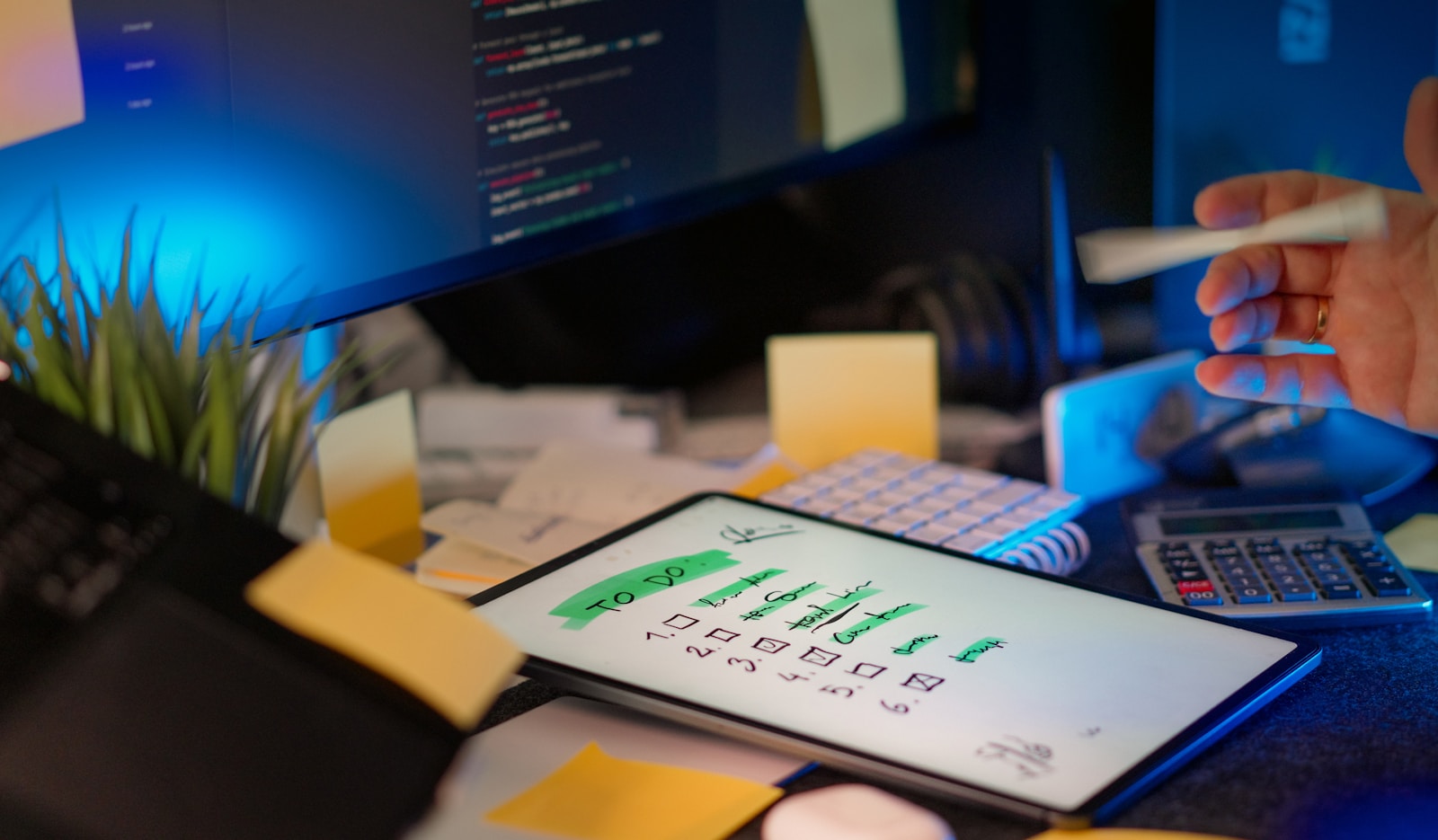
I take a lot of notes. At times, my desk ends up covered with leftover envelopes, loose sheets of paper, and quick scribbles that made sense when I wrote them but were easy to lose later.
I have used Trello and other productivity tools, but I kept adapting my workflow to fit the software. Eventually I opened a new repository and started building what I actually wanted.
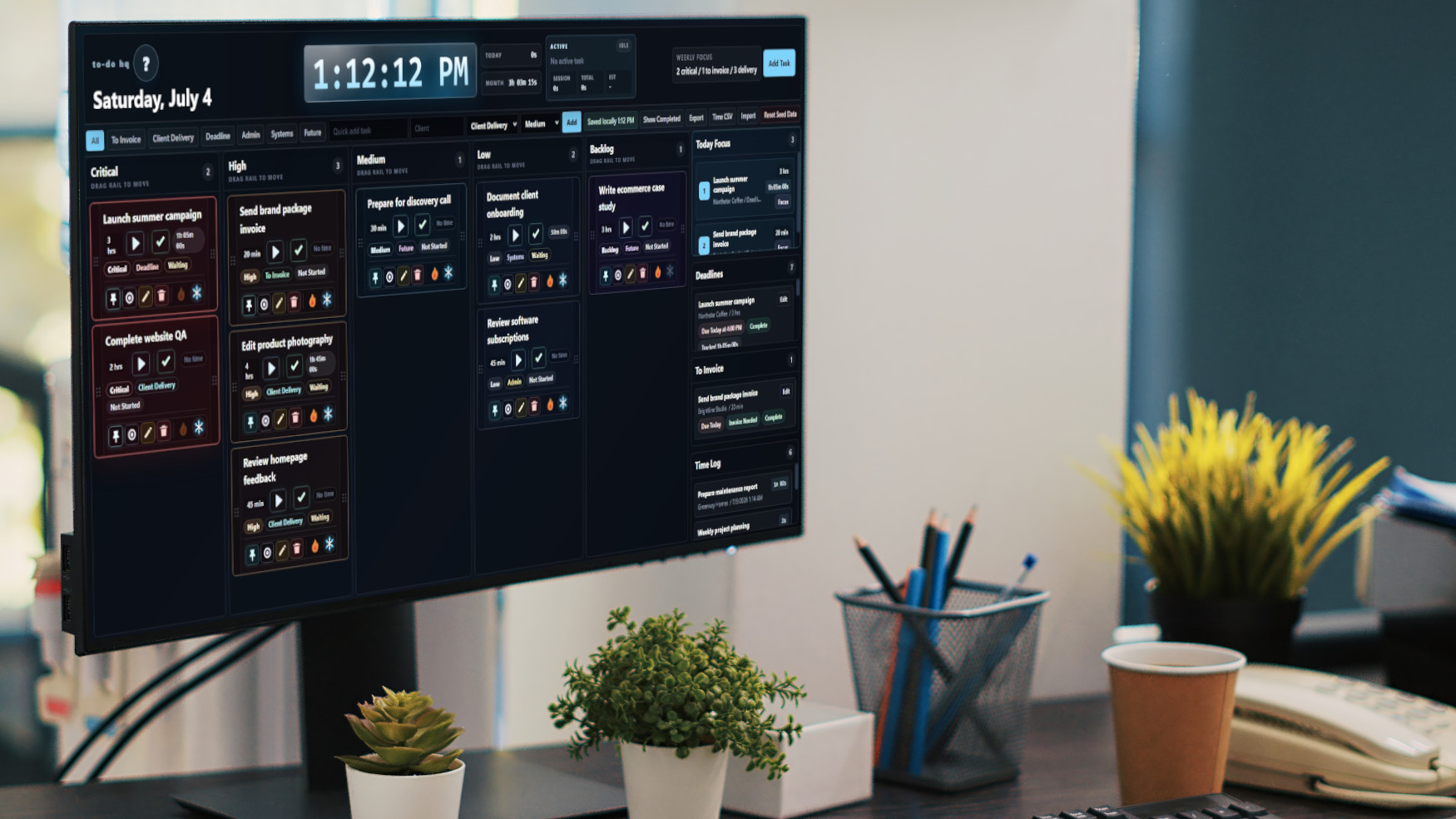
That became TodoHQ, a task board designed around the way I organize client work, personal projects, and ideas.
It was not built because the world needed another task manager. It was built because I had a specific problem and understood exactly what would make it easier.
That project changed the question I ask when I encounter friction. Instead of asking, "Which app should I subscribe to?" I started asking, "What would the ideal version of this look like for me?"
One useful tool led to another
Soon I was looking for a new set of golf clubs. Searching Facebook Marketplace meant opening listing after listing, comparing prices, checking models, and trying to decide which deals were actually worth pursuing.
Rather than repeating that process manually, I built a tool that helps search and score listings based on the factors I care about.
Then I looked at an unused monitor beside my desk and started thinking about what else I could improve.
With an old Chromecast and equipment I already had, I began building a dashboard that turns the monitor into more than a clock. It can display tasks, website status, server information, and the things I regularly check throughout the day.
Instead of opening several tabs every morning, I can glance at one screen and see what matters.
My home server grew alongside these projects. Jellyfin gave me a familiar way to browse media I already own. Other experiments have focused on monitoring services, organizing information, and comparing events based on schedule, travel time, interest, and cost.
These tools do different things, but they come from the same entrepreneurial instinct: identify repeated friction, understand the decision being made, and build a better process around it.
The real benefit is faster decision-making
At first glance, a task manager, marketplace analyzer, dashboard, media server, and event-planning tool have little in common. Underneath, they solve the same problem. They reduce decision fatigue.
- What should I work on next?
- Is this listing actually a good deal?
- Are my websites and services online?
- What should I watch tonight?
- Which event is worth my time this weekend?
None of these decisions is especially difficult. The cost comes from answering them repeatedly, gathering the same information, and switching between tools that were built for broad audiences instead of my particular needs.
Personal software removes small layers of friction. The result is not necessarily that I work more. It is that I spend less time organizing the work and more time doing it.
AI changed what is practical to build
Not long ago, creating a custom application for a narrow personal use case could require more time than the problem justified. AI has changed that equation.
It can accelerate research, help generate boilerplate, explain unfamiliar code, and shorten parts of the debugging process. It does not replace judgment, testing, or experience, but it makes experimentation less expensive.
That matters because an application no longer needs thousands of users to justify its existence.
A tool can be worthwhile because it saves one person twenty minutes every day. It can be worthwhile because it organizes one business process, watches one group of services, or helps make one recurring decision more clearly.
This changes how I think about software. A project does not have to become a startup, subscription product, or app-store listing to produce real value.
Infrastructure is becoming personal
At the same time that AI is making software easier to create, modern hardware is making it easier to run.
An older desktop can become a server. A spare monitor can become a live dashboard. A NAS can organize years of documents and media. Docker can make services easier to deploy and maintain. A properly configured VPN can provide secure access back to a private network.
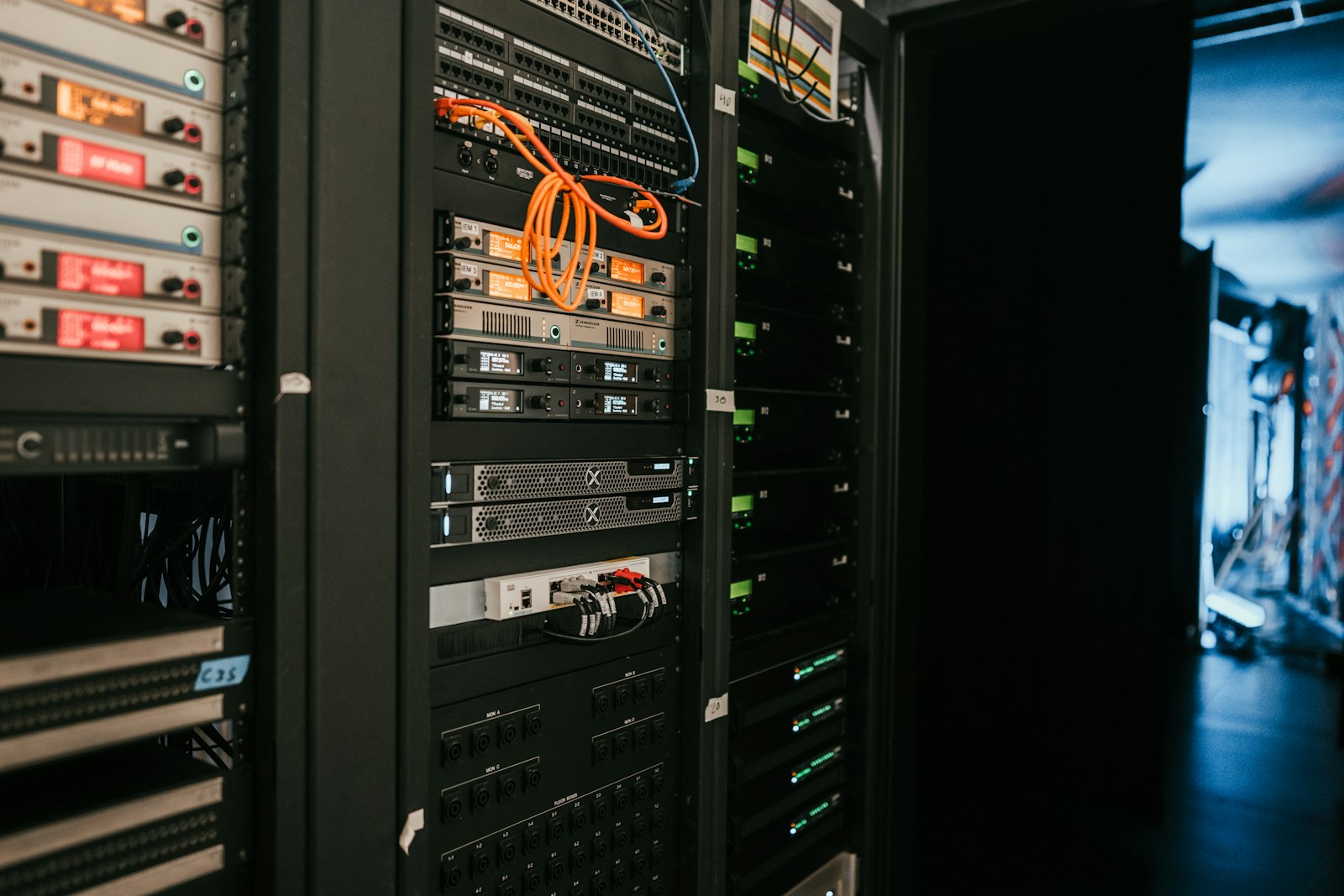
Instead of letting capable equipment sit unused, it can become part of a small connected system built around the owner.
I am not trying to replace cloud computing or reject every large platform. Commercial services remain useful, and there are situations where they are clearly the right choice.
The point is that not everything has to live in someone else's product.
For certain workflows, keeping a service local provides more control, privacy, flexibility, and room to experiment. It also changes the relationship with the software. I am no longer waiting for a company to add the feature I need or changing my process to match its roadmap. I can build around the way I already work.
Building an operating system for yourself
The most interesting part is not any single application. It is how the tools begin to work together.
My task manager understands my projects. My dashboard displays the information I monitor. My server hosts private services. My network connects the devices. My media library contains what I own.
Individually, each tool solves a focused problem. Together, they are becoming personal infrastructure: a collection of software and hardware shaped around the way I work, think, and make decisions.
That is what makes this feel larger than a group of side projects. It is an ongoing infrastructure upgrade, built one useful piece at a time.
What this means for entrepreneurs
The same idea applies beyond developers and home labs.
Small businesses constantly develop their own processes using spreadsheets, paper notes, inboxes, shared folders, and general-purpose software. Often, those systems work well enough until the business grows or the repeated friction becomes impossible to ignore.
A custom tool does not need to replace every system in the company. It might be a focused dashboard, estimator, tracker, internal portal, reporting screen, or workflow assistant.
The opportunity is not always to build the next enormous platform. Sometimes it is to build the small piece of software that makes one operation noticeably better.
Entrepreneurs already think this way. We look for inefficiency, test solutions, reuse what we have, and improve the process as we learn. Personal infrastructure applies that same mindset to software.
Looking ahead
I do not think this is simply another AI trend.
AI may be remembered for making software easier to create, but it may also change who software gets built for. For decades, most of us have relied on applications designed for millions of users. Now it is increasingly practical to build software for a team, a household, a business, or even one person.
Most of the tools I described will remain personal. My copy of TodoHQ, for example, is the version I use for my own work. I published a separate browser-based demo only to show what I built and let others experience the idea for themselves.
The demo stores tasks in the visitor's local browser storage. It does not require an account or synchronize with my private copy. It is simply a working example of how a focused tool can grow from a specific everyday need.
More importantly, pay attention to the repeated friction in your own work. If an existing tool almost fits but always forces you into someone else's process, that may be the beginning of an application worth building.
Sometimes the best software is not the software you sell. It is the software that quietly makes your own life or business better every day.
Got a take?